Chapter 5: Artificial Minds and Collaborative Companions (21st Century)

Beyond the factory floor, AI-powered robots ventured into healthcare, becoming invaluable assistants in hospitals. Surgical robots, guided by surgeons’ commands and utilizing high-precision instruments, performed delicate procedures with minimal scarring. Rehabilitation robots guided patients through physical therapy exercises, their AI programs adapting to individual needs and progress.
Chapter 6: Embracing the Biomimetic Revolution (21st Century)
Nature became a muse for roboticists in this era. The field of biomimetics, which mimicked biological systems in robot design, blossomed. Researchers crafted soft robots inspired by octopuses, their flexible tentacles performing tasks in hazardous environments or navigating delicate tissues within the human body. Drones took flight with flapping wings, imitating birds, while snake-like robots slithered into cracks and crevices, their modular bodies adapting to their surroundings.
Biomimetics even extended to the realm of human augmentation. Prosthetic limbs controlled by thought interfaces allowed amputees to regain lost capabilities, their movements mirroring those of natural limbs. Exoskeletons, mimicking the human skeleton, empowered individuals with disabilities to walk and lift objects with newfound strength.
Chapter 7: Towards Autonomous Intelligence (21st Century and Beyond)
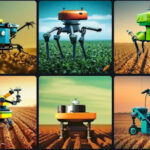
The next frontier in robotics lies in autonomy. Imagine robots not just executing pre-programmed tasks, but making their own decisions and navigating complex environments in real-time. This is the realm of self-driving cars, their sophisticated sensors and AI algorithms interpreting traffic data, avoiding obstacles, and even making ethical decisions in split-second scenarios. Drones equipped with advanced vision systems autonomously survey crops, monitor air quality, and deliver packages, navigating intricate urban landscapes with precision.
The quest for autonomy pushes the boundaries of AI, requiring machines to understand their surroundings, learn from experience, and adapt to unforeseen situations. This journey holds immense potential for revolutionizing transportation, logistics, and even emergency response.
Chapter 8: Ethics and the Future of Humans and Machines (21st Century and Beyond)
As robots become more intelligent and autonomous, ethical considerations rise to the forefront. Questions abound: Where do we draw the line between human and machine? Who is responsible for a robot’s actions? How do we ensure AI algorithms remain unbiased and prevent discrimination? These are complex questions that require open dialogue and thoughtful regulations to ensure a future where humans and robots co-exist harmoniously.
Epilogue: A Journey Without End
The story of robotics is a thrilling saga, from the clunky clockwork giants of the past to the intelligent companions and autonomous machines of the present. As we look towards the future, the possibilities are boundless. Will robots form their own societies? Will they one day possess artificial consciousness? These are questions for time to answer, but one thing is certain: the journey of robotics is a shared adventure between humans and machines, a testament to our collective spirit of curiosity and innovation.
Remember, this is just a glimpse into the exciting world of robotics. Keep exploring, asking questions, and dreaming big. Who knows, you might just be the one to shape the next chapter in this incredible story!.



Leave a Reply